
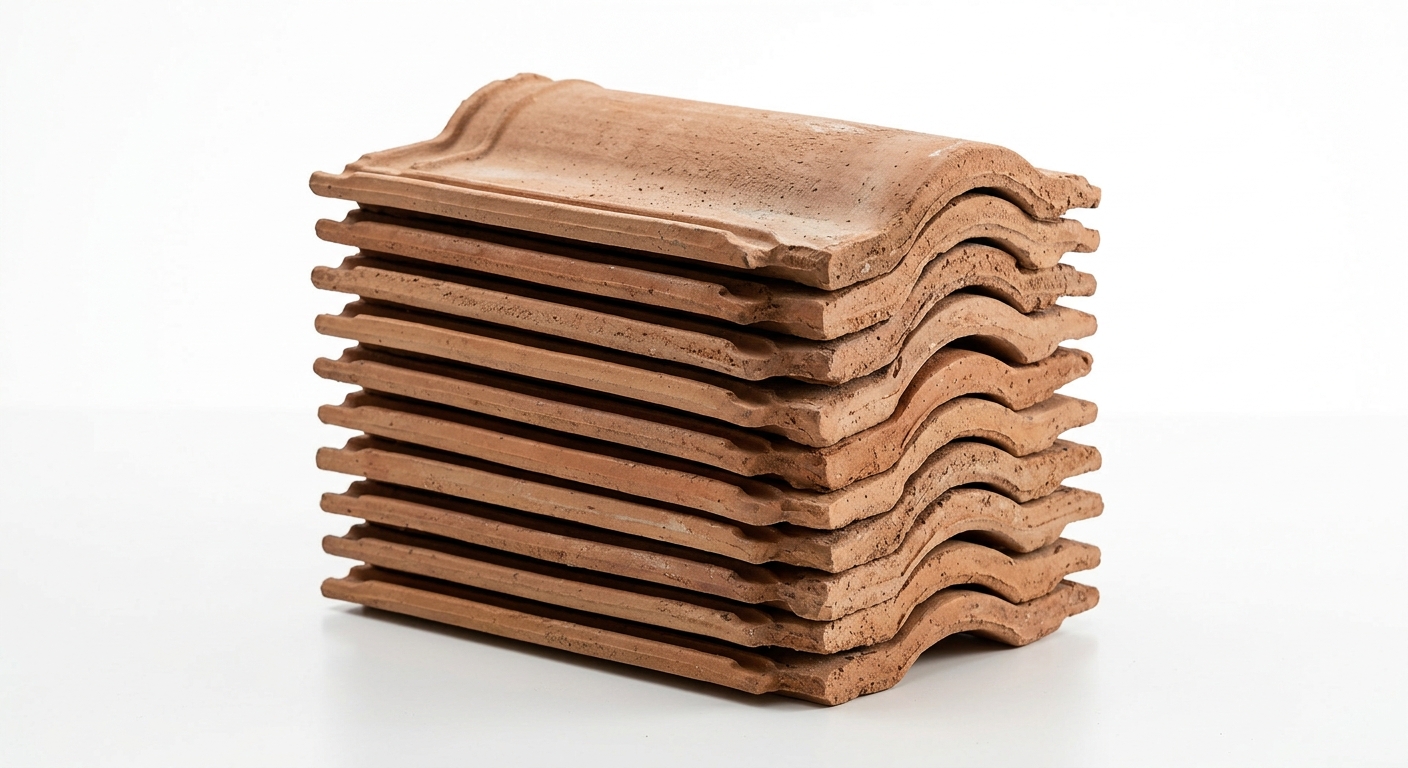
Tile roofs are a Tampa Bay signature — especially in neighborhoods like Hyde Park, Davis Islands, and St. Pete's historic areas. They're beautiful, durable, and handle Florida's weather better than most alternatives. But they're also heavy, expensive, and require specialized knowledge to maintain properly.
Concrete vs. Clay Tile
Concrete tile ($12,000-$22,000 for a typical home):
- Made from cement and sand, molded into tile shapes
- Lifespan: 30-50 years for the tiles; underlayment needs replacement at 20-25 years
- Weight: 900-1,200 lbs per square (100 sq ft)
- Color: Integral — the color runs through the tile, so chips are less visible
- Cost: Moderate for tile — less than clay, more than asphalt
Clay tile ($18,000-$30,000+):
- Made from natural clay, fired in a kiln
- Lifespan: 50-100 years for the tiles; underlayment at 20-25 years
- Weight: 800-1,100 lbs per square
- Color: Natural terracotta — doesn't fade but can develop a patina
- Cost: Premium — the most expensive common roofing material
- Fragility: More fragile than concrete under impact
Hurricane Resistance
Tile roofs perform well in hurricanes when properly installed. The tiles themselves resist 110-150 mph winds, and their weight helps keep them in place. However:
- Foam adhesive installation (tiles glued to the deck rather than screwed) performs best in high winds but makes individual tile replacement more difficult.
- Mechanically fastened installation (screws or clips) is easier to repair but slightly less wind-resistant.
- Mortar-set installation (old method, tiles set in mortar) is the least wind-resistant and most prone to tile loss during storms. If your home has a mortar-set tile roof, consider retrofitting to foam or mechanical fastening during the next underlayment replacement.
Common Problems
Cracked or broken tiles. Caused by foot traffic, falling branches, or thermal stress. A cracked tile allows water to reach the underlayment. Replace cracked tiles immediately — a single cracked tile can cause a leak that damages the decking beneath.
Underlayment failure. The underlayment beneath the tiles is the actual waterproof barrier. It degrades over time and needs replacement every 20-25 years — without removing the tiles. This is a $5,000-$12,000 project that many tile roof owners don't know is coming.
Mortar deterioration. On mortar-set roofs, the mortar that holds ridge and hip tiles in place degrades over time. Repointing (replacing the mortar) costs $500-$1,500 and should be done when mortar starts cracking or falling out.
Algae and moss. Tampa Bay's humidity promotes algae growth on tile surfaces. Roof washing ($200-$500) removes it. Avoid pressure washing — it can damage tiles and force water under them.
Maintenance
- Annual inspection: Check for cracked, displaced, or missing tiles
- After storms: Check for displaced tiles and debris
- Every 20-25 years: Replace underlayment (major project — tiles are removed, underlayment replaced, tiles reinstalled)
- As needed: Repoint ridge and hip mortar
- Every 2-3 years: Roof washing to remove algae and debris
Weight Considerations
Tile roofs are heavy. If your home currently has an asphalt shingle roof and you want to switch to tile, a structural engineer must verify that the roof framing can support the additional weight. Many homes need structural reinforcement ($2,000-$8,000) before tile can be installed.
The Bottom Line
Tile roofs are a long-term investment that pays off in durability, hurricane resistance, and curb appeal. The higher upfront cost is offset by a longer lifespan and lower insurance premiums in some cases. But budget for underlayment replacement at the 20-25 year mark — it's a significant expense that many tile roof owners don't anticipate.