
Hurricane season runs June through November, and Tampa Bay sits squarely in the path. Roof damage from storms ranges from a few missing shingles to complete destruction. Knowing what to do before, during, and after a storm can save you thousands and prevent further damage to your home.
Before Hurricane Season
- Schedule a roof inspection in April or May. A professional inspection identifies weak spots before a storm finds them. Cost: $150-$300.
- Replace worn or missing shingles. A roof with existing weak spots will fail first in a storm.
- Check and secure flashing. Loose flashing around chimneys and vents is the first thing to tear off in high winds.
- Trim trees near the house. Falling branches are a leading cause of roof damage during storms.
- Document your roof's condition. Take photos from multiple angles before storm season. This is your "before" evidence for insurance claims.
- Review your insurance policy. Know your deductible (often 2-5% of the home's insured value for hurricane damage in Florida — that's $6,000-$15,000 on a $300,000 home), and confirm you have replacement cost coverage, not actual cash value.
After the Storm: Inspection
Do not climb on the roof yourself. Storm-damaged roofs are structurally compromised. Inspect from the ground with binoculars:
- Look for missing, lifted, or curled shingles
- Check for displaced tiles
- Look for bare patches where granules have been stripped
- Check flashing around chimneys and vents
- Look for debris on the roof (branches, satellite dishes, etc.)
- Check inside the attic for water stains or daylight showing through the deck
Tarping: Emergency Temporary Repair
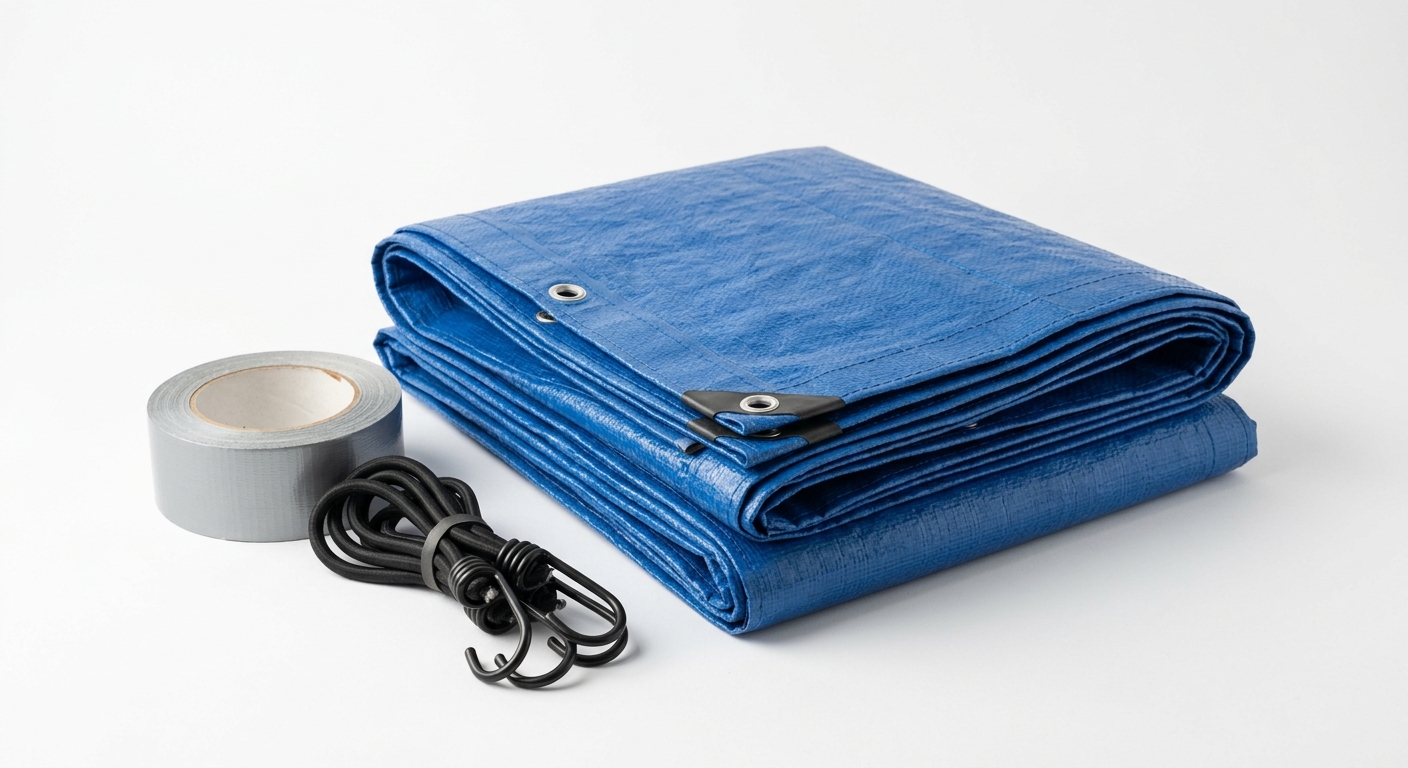
If your roof is actively leaking or has exposed areas, tarping prevents further water damage while you arrange permanent repairs.
- DIY tarping: $50-$100 for a heavy-duty tarp and furring strips. Only attempt if the roof is safely accessible and you have help.
- Professional tarping: $300-$800. Many contractors offer emergency tarping services within 24-48 hours after a storm.
A properly installed tarp can protect your roof for 30-60 days — enough time to file an insurance claim and schedule repairs.
Filing an Insurance Claim
- Document everything. Photos of damage from multiple angles, photos of water damage inside the home, a written description of when the damage occurred.
- Call your insurance company promptly. Most policies require notification within a reasonable time after the damage occurs.
- Get a contractor's estimate before the adjuster arrives. A licensed roofing contractor's detailed estimate gives you a baseline to compare against the adjuster's assessment.
- Be present for the adjuster's inspection. Walk the inspection with them and point out all damage you've documented.
- Don't accept the first offer if it seems low. You can request a second adjuster or hire a public adjuster ($500-$1,500) who works for you, not the insurance company.
Choosing a Contractor After a Storm
Storm chasers — out-of-state contractors who follow storms — flood into Tampa Bay after every hurricane. Some are legitimate; many are not.
Red flags:
- No local address or local references
- Demands full payment upfront
- "Your roof needs total replacement" without a thorough inspection
- Pressures you to sign an Assignment of Benefits (AOB) form — this signs over your insurance claim rights to the contractor
- No Florida state license (verify at myfloridalicense.com)
Green flags:
- Local company with a physical address and local references
- Pulls permits for the work
- Provides a written warranty
- Has been in business in Tampa Bay for 5+ years
- Is a certified installer for the roofing manufacturer
Temporary Living Expenses
If your home is uninhabitable due to roof damage, your homeowners policy may include "loss of use" coverage that pays for hotel and food while repairs are made. Check your policy — this coverage is often overlooked but can be worth thousands.