
Cleaning out your gutters is a Saturday morning project. Getting on your roof to replace missing shingles is a different category of work entirely. The honest answer to "should I DIY this?" depends on which project you're talking about, and in roofing, the safety risks are real.
Where DIY Genuinely Makes Sense
- Gutter cleaning. Cleaning leaves and debris from your gutters twice a year is basic maintenance anyone can do with a ladder and gloves.
- Inspecting from the ground. Using binoculars to check for missing shingles, damaged flashing, or sagging areas is a smart DIY inspection.
- Checking the attic for leaks. Going into your attic after a rainstorm with a flashlight to look for water stains or daylight through the roof deck is a useful DIY check.
- Replacing a vent pipe boot. If you're comfortable on a ladder and have basic roofing knowledge, replacing a damaged rubber vent boot is a manageable DIY project.
Where DIY Gets Dangerous Fast
Anything on the roof surface. Tampa Bay homes often have steep pitches, and Florida's intense heat makes roof surfaces dangerously hot by mid-morning. Falls from roofs are one of the most common serious home improvement injuries. If you're not trained in fall protection and comfortable on a roof, don't go up there.
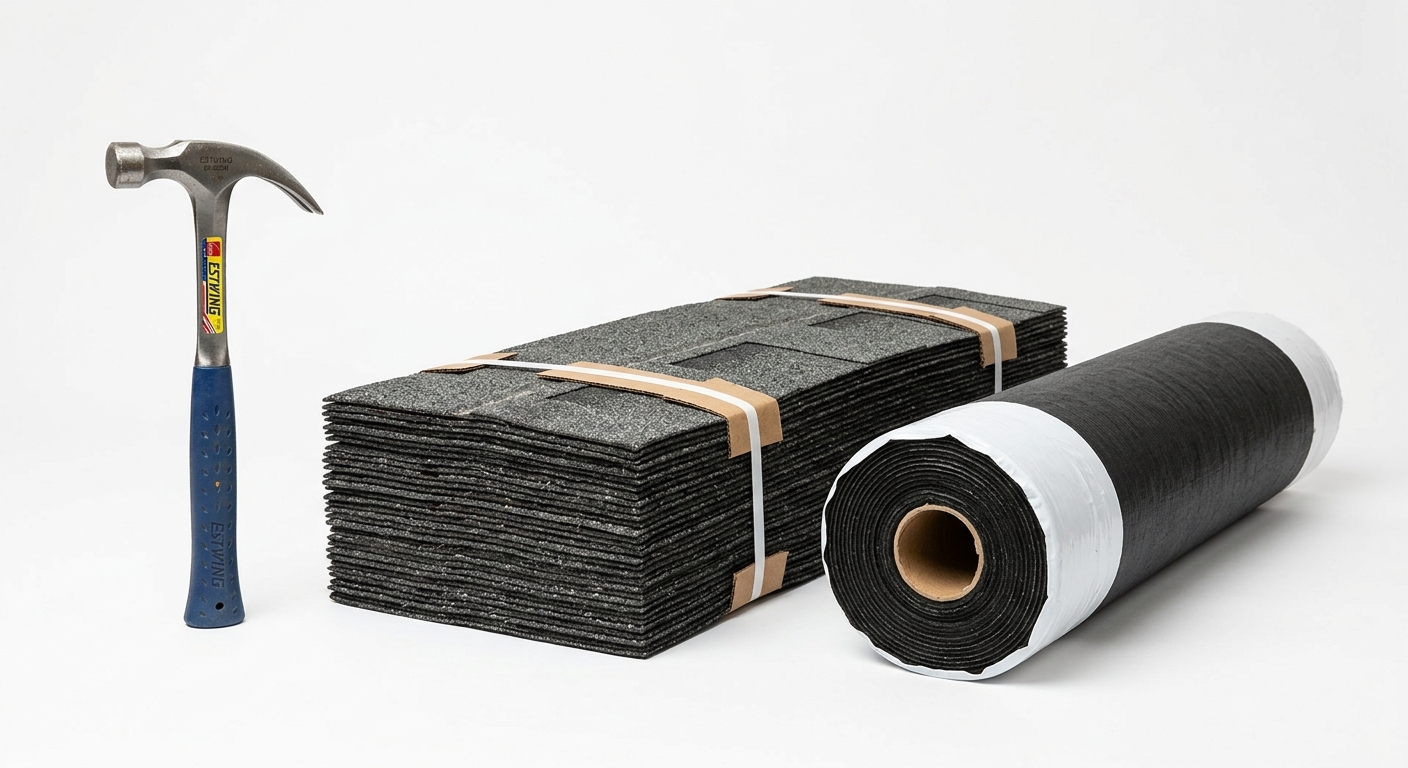
Shingle or tile replacement. Improperly installed shingles will leak, and you may not know until the next hurricane. Each shingle must be nailed in the correct pattern with the right exposure, and the underlayment beneath must be intact. One misplaced nail can create a leak path.
Flashing repair. Flashing around chimneys, vents, and valleys is the most common leak source. Improperly repaired flashing will channel water directly into your home's structure.
Structural repairs. Sagging roofs, damaged decking, or rotted rafters are structural issues that require professional assessment and repair.
The Hidden Cost of Bad DIY Roofing
A bad DIY roof repair doesn't just fail — it fails silently. Water gets behind the shingles, into the underlayment, through the decking, and into your attic. By the time you notice the ceiling stain, the damage has been happening for months. Mold, rotted decking, and compromised rafters can turn a $300 professional repair into a $5,000 structural fix.
A Simple Decision Framework
- Does this require getting on the roof? If yes, hire a professional.
- Does this involve cutting, nailing, or sealing roofing materials? If yes, hire a professional.
- Is this a ground-level maintenance task? If yes, DIY is fine.