
Metal roofing is the fastest-growing roofing segment in Tampa Bay, and it's not hard to see why. No other common roofing material handles Florida's hurricanes, sun, and salt air as well as a properly installed metal roof.
Standing Seam vs. Corrugated
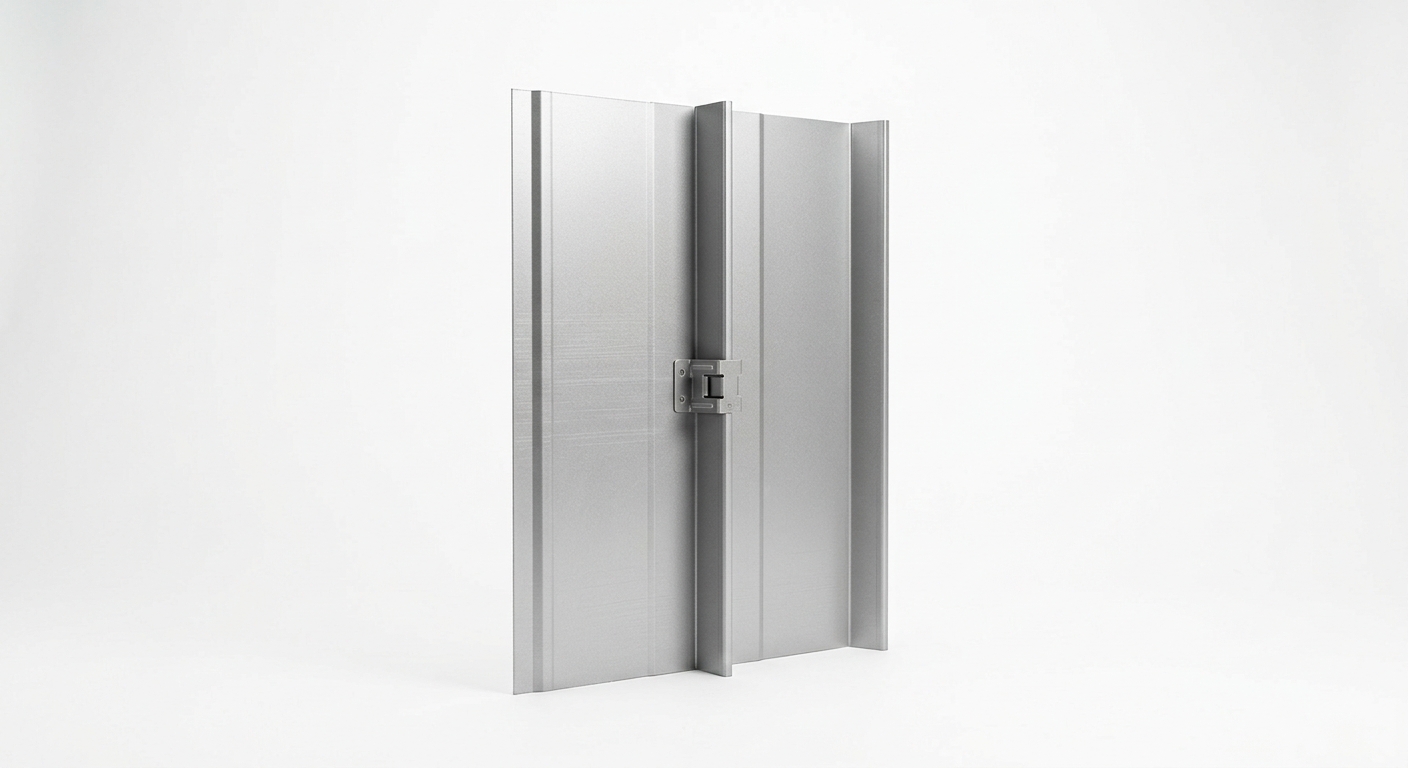
Standing seam ($18,000-$28,000 for a typical home):
- Panels are attached with hidden clips under the raised seams — no exposed fasteners
- Wind rating: 140-160 mph
- Lifespan: 40-70 years
- Maintenance: Minimal — no fasteners to check or replace
- Aesthetic: Clean, modern, architectural
- The premium metal roofing option — best wind performance, lowest maintenance
Corrugated/screw-down ($12,000-$20,000):
- Panels attached with exposed screws and rubber gaskets
- Wind rating: 110-130 mph
- Lifespan: 30-45 years (panels); fasteners need replacement every 10-15 years
- Maintenance: Screw gaskets degrade and need replacement. Leaks develop at fastener points.
- Aesthetic: More industrial/agricultural
- Budget metal option — less expensive upfront but higher maintenance
For Tampa Bay homes, standing seam is almost always the better long-term investment. The exposed fasteners on corrugated metal are a maintenance liability in Florida's intense sun and rain — rubber gaskets dry out and fail, creating leaks that are tedious to find and fix.
Wind Performance
Standing seam metal roofing is the best roofing material for hurricane zones. The concealed clip system allows the panels to expand and contract with temperature changes without stressing the attachment points, and the interlocking seams resist wind uplift better than any other roofing type.
In Hurricane Andrew (1992) and subsequent storms, standing seam metal roofs had the lowest failure rate of any roofing material. This is why many Florida insurance companies offer premium discounts for homes with metal roofs — they're statistically less likely to generate a claim.
Energy Efficiency
Metal roofs reflect solar radiation that asphalt shingles absorb. In Tampa Bay's summer, this can reduce roof surface temperature by 40-60°F compared to dark asphalt. The result:
- 15-25% reduction in cooling costs
- Less thermal stress on attic insulation and ductwork
- Longer lifespan for AC components that work less hard
"Cool metal" roofs with special reflective pigments (Kynar 500 or Hylar 5000 coatings) perform even better. These coatings are standard on most quality standing seam products.
Lifespan: 40-70 Years
A standing seam metal roof will likely outlast every other component of your home except the framing. Even in Tampa Bay's harsh climate, a quality metal roof with a Kynar coating will last 40-70 years with minimal maintenance. That's 2-3x the lifespan of an asphalt shingle roof in the same conditions.
The Lightning Myth
One of the most persistent misconceptions about metal roofing is that it attracts lightning. It doesn't. Lightning is attracted to the highest point in an area, regardless of material. A metal roof is no more likely to be struck than an asphalt or tile roof at the same height.
In fact, metal roofing is safer in a lightning strike because it's non-combustible. Asphalt shingles can ignite; metal disperses the energy safely through the structure. Metal roofs are also fire-resistant, which can qualify for insurance discounts.
Cost vs. Shingle
A standing seam metal roof costs 2-3x more than architectural asphalt shingles upfront. But the lifetime cost tells a different story:
- Asphalt shingle: $10,000 installed, lasts 18 years in Tampa Bay = $555/year
- Standing seam metal: $23,000 installed, lasts 50 years = $460/year
Add the energy savings ($200-$400/year) and potential insurance discounts ($100-$300/year), and metal is actually cheaper over its lifetime — while providing better hurricane protection and never needing a replacement during your ownership.
Salt Air Considerations
Homes near the coast (within 3 miles of salt water) should choose metal roofing with a Kynar 500 or Hylar 5000 coating, which is specifically designed for coastal environments. Standard paint finishes will chalk and fade faster in salt air. Aluminum panels (rather than steel) are the best choice for direct coastal exposure — they won't rust even if the coating is scratched.